Wound Environment
The wound environment refers to the entirety of the physicochemical and microbiological conditions at the wound surface. Factors such as pH, moisture, microbial load, temperature, and oxygen supply play a major role in determining it. Their interaction determines whether a wound follows a normal healing trajectory or becomes stalled.
Factors of the Wound Environment.
pH. Intact skin has a pH of approximately 4.5 to 5.5, i.e. a mildly acidic range. In open wounds, this value often shifts toward the alkaline range (pH above 7.0). An elevated pH promotes the growth of pathogenic microorganisms and impairs the body's natural wound-cleansing processes. A shift toward the physiological acidic range is considered beneficial for an undisturbed healing process in the scientific literature.
Microbial Load. Every open wound is colonized by microorganisms to varying degrees. It is only when the microbial load exceeds a critical level or biofilm structures develop that the healing process is measurably delayed. The goal of modern wound care is to reduce the microbial surface load to a level that does not interfere with the healing process.
Moisture. An adequately moist wound environment keeps the tissue supple, facilitates the removal of wound exudate, and maintains an open wound bed for tissue regeneration. Drying impairs tissue regeneration, while excessive exudate can damage the wound-edge tissue. The principle of moist wound healing specifically addresses this dimension.
Temperature. Wound temperatures close to 37 °C provide favorable conditions for cellular activity in the wound bed.
Oxygen Supply. For wound healing, local tissue oxygenation is particularly relevant, as oxygen is required, among other things, for immune defense, collagen synthesis, cell proliferation, and angiogenesis.
pH and microbial Load as clinical guiding Parameters.
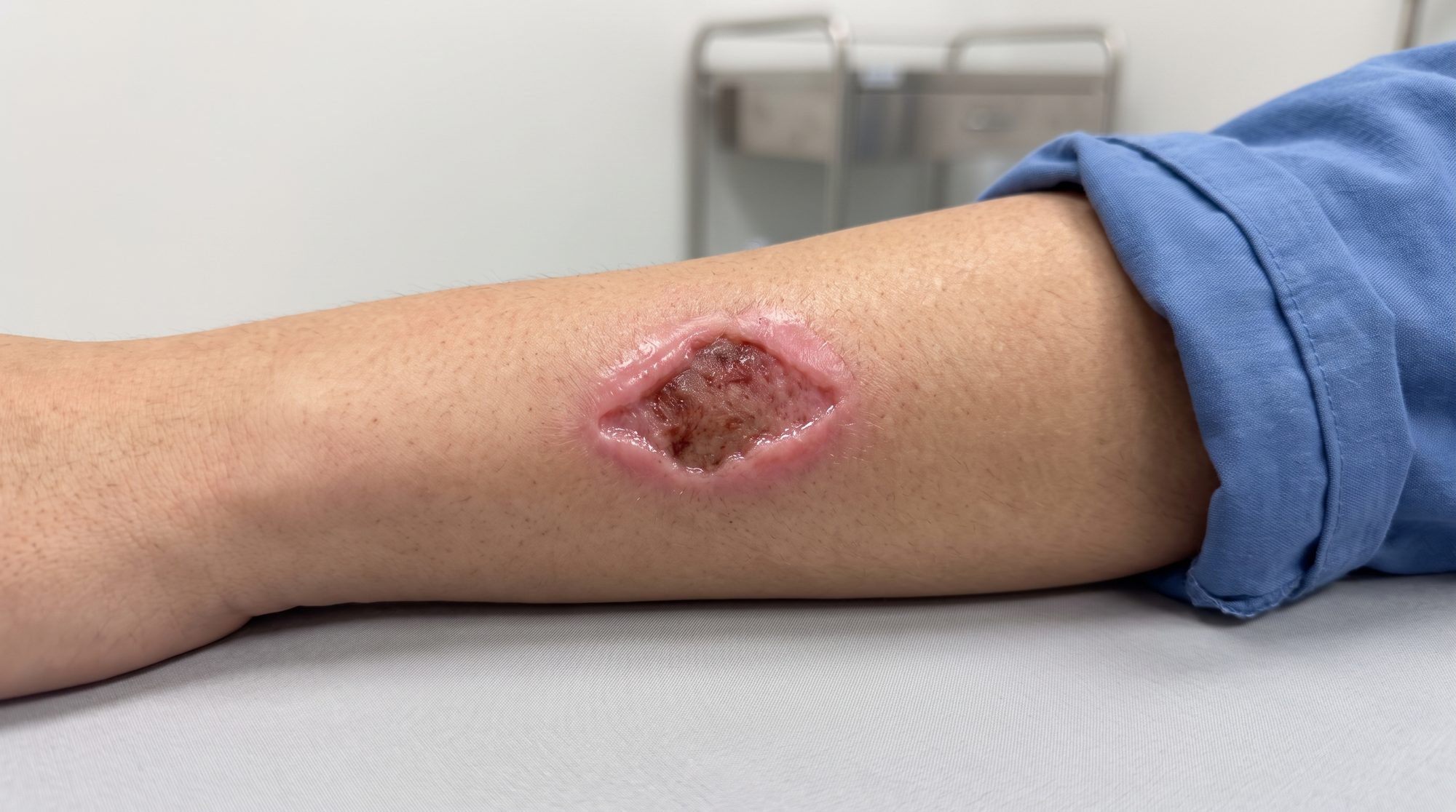
pH and microbial load are independent assessment parameters in clinical wound evaluation. They influence each other: an elevated pH creates more favorable conditions for pathogenic microorganisms, while these microorganisms further shift the wound's acid-base balance through their metabolic by-products. Modern wound care concepts address both factors in combination.
Therapeutic Approaches to influencing the Wound Environment.
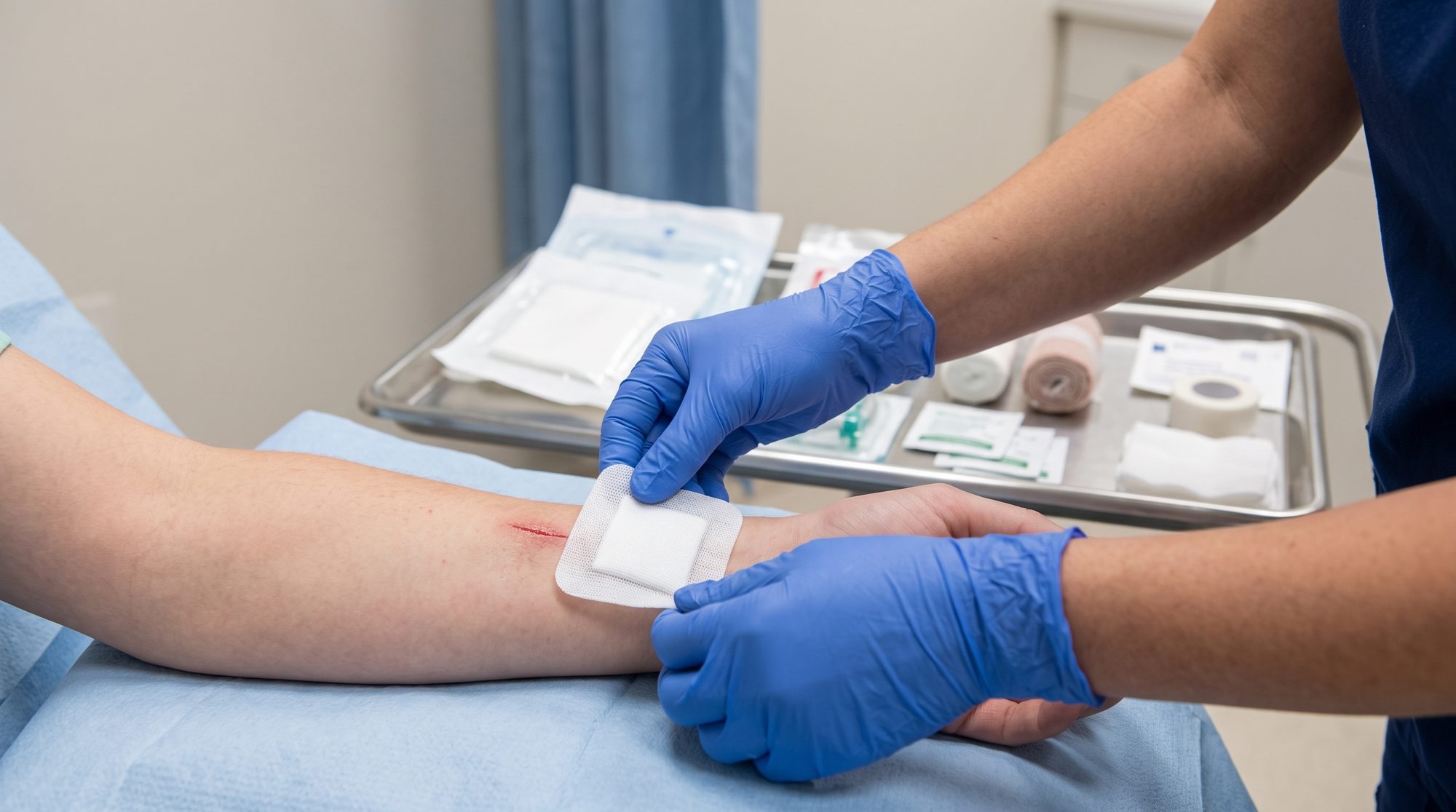
Measures aimed at influencing the wound environment address one or more of the factors mentioned above, depending on the clinical findings:
- Mechanical cleansing to reduce the microbial load on the wound surface.
- further physical methods to reduce the microbial surface load.
- Moisture management using appropriate wound dressings (e.g. hydrocolloids, foam dressings).
Clinical Classification of Cold Atmospheric Plasma-Aerosol.
The wound environment is not a static state. It changes throughout the course of wound healing and responds to therapeutic interventions. Regular assessment of pH, exudate levels, microbial status, and wound temperature forms the basis of evidence-based wound care.
As a complementary treatment to standard care, Cold Atmospheric Plasma-Aerosol (CAP-A) can be used to reduce the microbial surface load. CAP-A may contribute to the normalization of the wound pH. PLASMO®HEAL PRO is a Class IIa medical device certified in accordance with the EU MDR and can be used as a complementary treatment to standard care on this basis, supporting a wound and skin environment conducive to healing.