Wound Infection
A wound infection occurs when microorganisms enter the wound tissue, the microbial load exceeds the local defensive capacity of the body, and an inflammatory response develops. This clinical classification is fundamental to wound management because it determines the appropriate care pathway and the measures required.
From Contamination to Infection.
Clinical wound care classifies the microbial status of a wound into different stages. This classification describes the point at which microorganisms begin to affect wound healing and provides the basis for clinical care decisions.
- Contamination. Microorganisms are detectable on the wound surface but do not multiply or trigger an inflammatory response. Every fresh wound is initially considered contaminated.
- Colonization. Microorganisms have established themselves on the wound surface and multiply, but do not yet cause tissue damage or delay wound healing.
- Critical colonization. The microbial burden increases. The defensive capacity of the tissue becomes increasingly challenged, and wound healing slows noticeably without the classical signs of inflammation being clearly apparent. This stage requires particular clinical attention.
- Local infection. Microorganisms exceed the capacity of the local tissue defenses to the extent that classical signs of inflammation occur. Wound healing is disrupted.
- Systemic infection. Pathogens spread beyond the wound and affect the body as a whole. This stage requires immediate medical assessment.
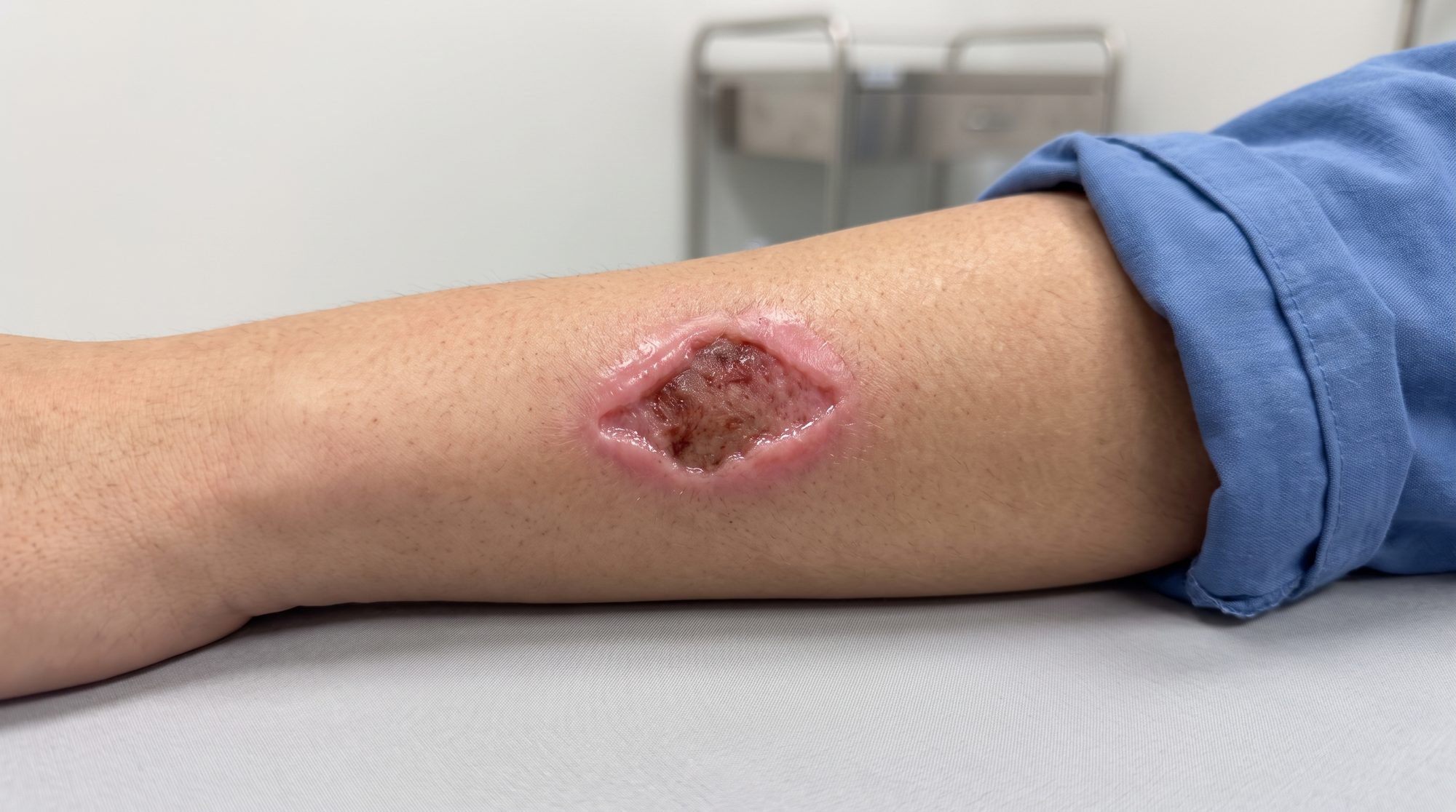
Clinical Signs of a Wound Infection.
The clinical diagnosis of a wound infection is based on the assessment of local signs. Healthcare professionals in clinical and nursing settings assess the following characteristics:
- Redness (rubor). Redness of the wound surroundings extending beyond the wound margins.
- Increased warmth (calor). A noticeably elevated temperature in the affected tissue area.
- Swelling (tumor). Edema in the wound and surrounding tissue.
- Pain (dolor). Increasing wound pain or newly occurring pain at rest.
- Changes in exudate. Increased volume, cloudy or purulent consistency, or an unusual odor.
- Delayed healing. Failure of the wound area to decrease despite ongoing standard care.
The simultaneous presence of several of these signs increases the clinical likelihood of a wound infection. Changes in exudate are a common and potentially early indicator and should therefore be consistently documented throughout the wound course. Healthcare professionals systematically document the infection status as part of wound assessment to identify changes at an early stage and adapt care in a timely manner.
Why Wound Infection impairs Healing.
When the microbial burden overwhelms the tissue's defensive capacity, the wound-healing process becomes disrupted. The capacity of the wound tissue is directed toward combating pathogens rather than supporting granulation tissue formation and wound closure.
Biofilms can prolong this stagnation. When bacteria grow within a protective matrix of polysaccharides on the wound surface, they are more difficult to reach and remove through conventional cleansing measures. This can further impair the wound environment and prevent normal progression through the healing phases.
Persistent microbial burden can significantly disrupt the granulation phase and contribute to wound deterioration. Normal wound healing can resume once the infection status has been brought under clinical control.
The Importance of Diagnosis in Wound Management
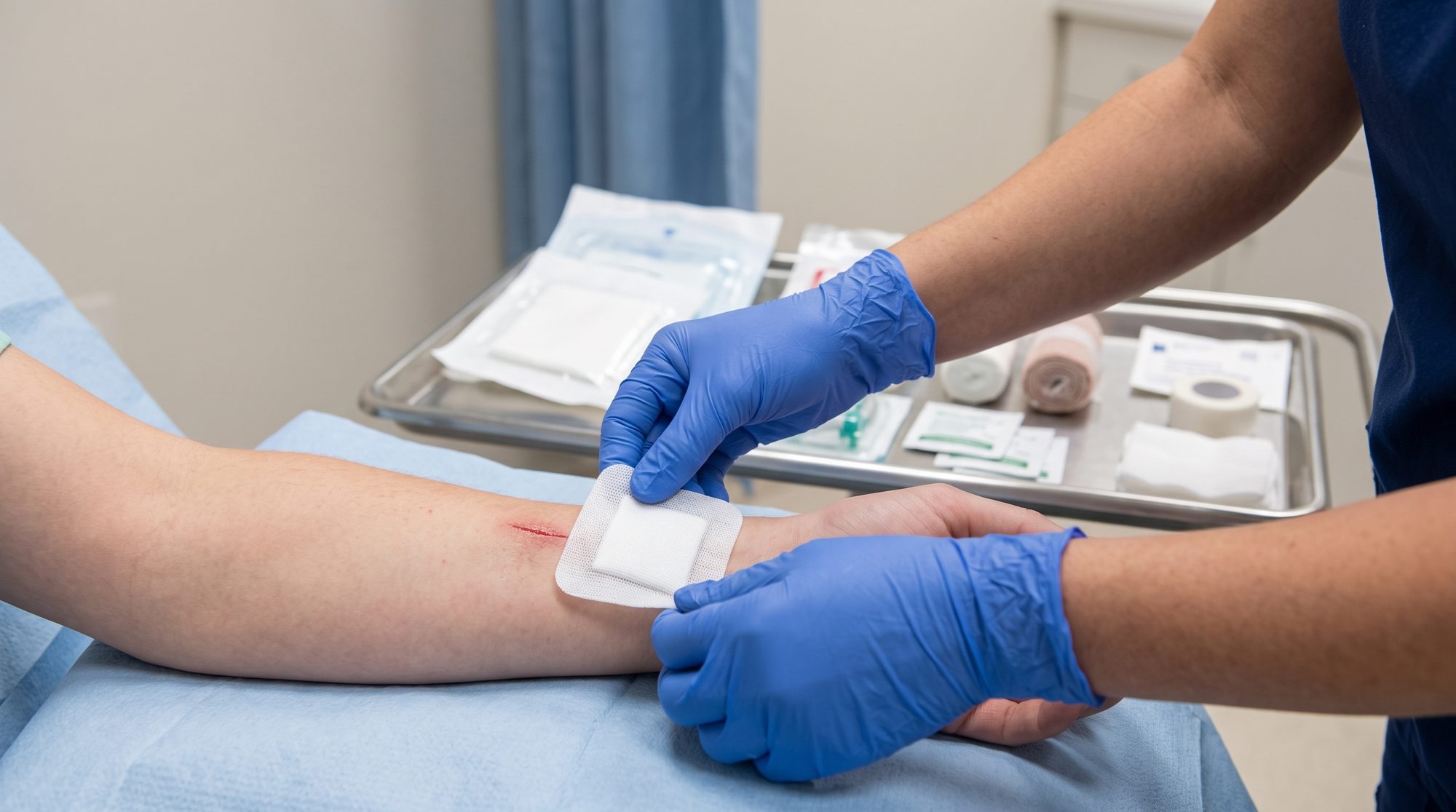
The diagnosis of a wound infection determines the appropriate care pathway. Wound depth and wound size alone are insufficient to determine the necessary treatment framework. The microbial status helps determine whether a wound can continue to be managed with standard care or whether additional measures to address the infection may be required, such as the supportive use of cold plasma.
In everyday clinical practice, this means that a wound in a state of critical colonization is assessed and managed differently from a wound with a local infection. The progression from contamination to systemic infection is not merely a theoretical classification system but a practical decision-making tool used routinely in hospitals, outpatient settings, and nursing care.